A Brief History of Yellow Fragrant Nut Sedge

A Brief History of Yellow Fragrant Nut Sedge

History of Tiger Nut

  • In ancient times

    In Africa, the history of human consumption of Cyperium can be traced back 2 million years to the recipes of the Bao's people in East Africa, and it has become a natural substitute for breast milk passed down through generations. People cultivate Cyperum oleum on a large scale, using it to produce various foods and beverages.
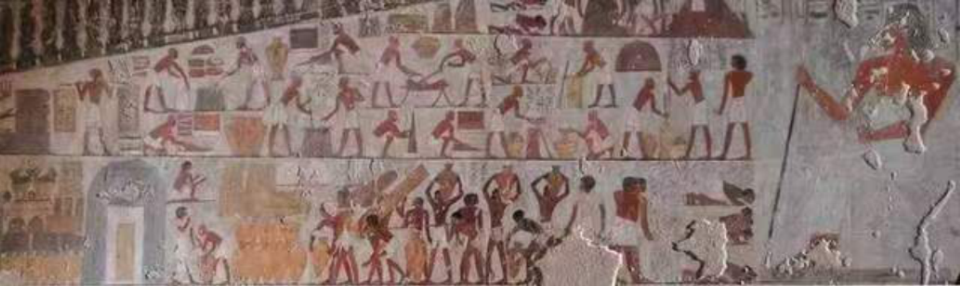
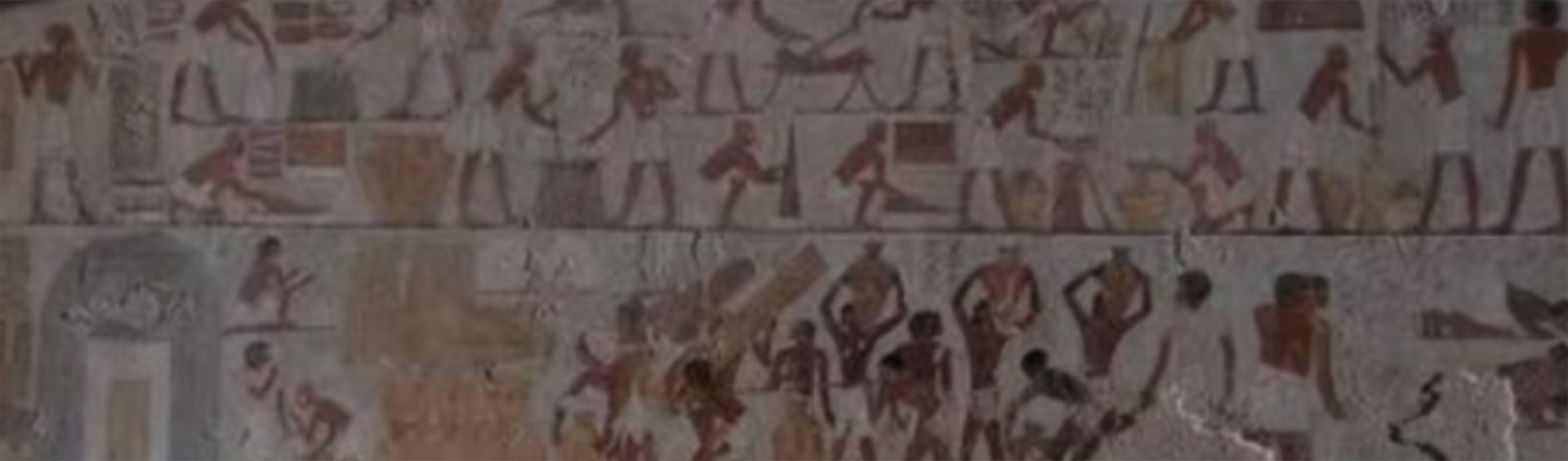
  • Around the 14th century BC, in the tomb of the ancient Egyptian pharaoh Tutankhamun, the oil sand bean was buried alongside gold as a burial item, with tomb murals fully recording the entire process from planting and harvesting to making sacrificial pastries
测试 测试

Classical period

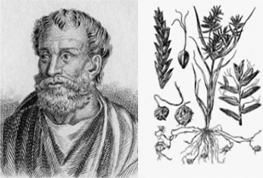
Around the 3rd century BC, the ancient Greek botanist Theophrastus recorded the Nile Valley oil bean in his work "Flora," clarifying its diuretic and laxative medicinal value.
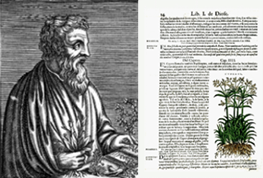
In the 1st century AD during the Roman period, the Greek pharmacologist Dioscorides described in detail in "On Materia Medica" how to use sand bean to treat mouth ulcers, reduce edema, and promote menstrual flow.

From the Middle Ages to Modern Times

In the 13th century, King James I of Aragon praised the drink made from sand beans, "Això és or, xata!" — this exclamation earned it the sweet name Orxata.
In 1745, the Spanish court used sand beans as a prescription, recording their unique effects in treating hemorrhoids in detail
  • Contemporary revival

    In the 1960s, NASA listed sand beans as astronaut food and named them "the greatest superfood of the century." In 1992, Japan began exploring the development of sand beans into a healthy snack favored by women. Around 2015, Japan's Ministry of Health, Labour and Welfare conducted in-depth verification of the health benefits of the antioxidant components of Clementaria oil.
  • In the early 21st century, chain brands like Starbucks began offering tiger nut drinks in North American stores . In 2020, the European Union fully promoted the rich high-fiber and healthy fat value of Cypera oleum in its "Healthy Food 2030" initiative. In India, modern nutritional research has verified the rich value of Lyrica beans, which aligns perfectly with the ancient Ayurvedic medical texts that have been passed down for over two thousand years in India
  • Footprints in China

    In 1952, it was successfully introduced from the Soviet Union and completed *** cultivation at the Chinese Academy of Sciences.
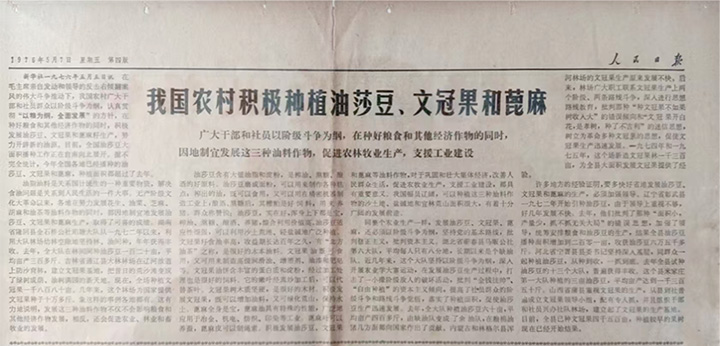
    In the 1970s, sedge bean was introduced to many provinces nationwide. Due to technical and consumer constraints, large-scale expansion failed, but due to ecological and nutritional value, it was only sporadically cultivated among the people.
    Footprints in China
  • In 2014, Euphtharidium was included in the agricultural product classification catalog by the Ministry of Agriculture, selected as a coarse grain for the "Yuegong No. 1" experiment, and completed enclosed space planting validation alongside wheat and other staple grains.
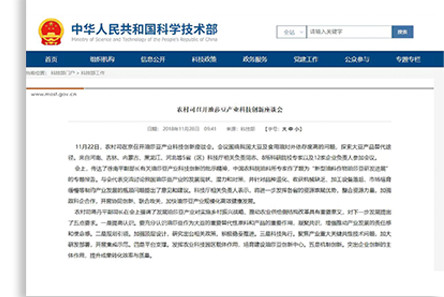
  • In 2018, against the backdrop of China-US trade frictions, Cyperium was included in a major project of the Ministry of Science and Technology, with pilot programs launched in Henan and Jilin, officially entering the national strategic level.
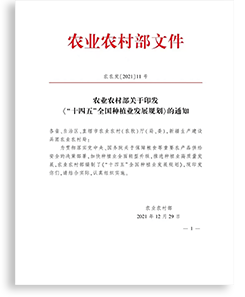
  • In 2021, Cyperus was included in the "14th Five-Year Plan" for planting and designated as a specialty oilseed crop, thus entering the national strategic vision of "multi-oil development in parallel."
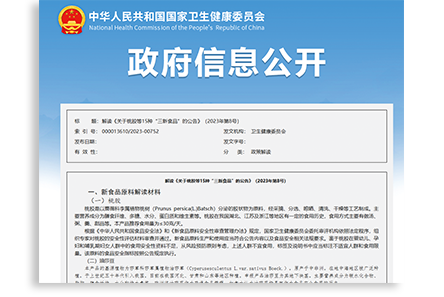
  • In 2023, Oleander Beans received new food ingredient certification, laying a solid foundation for industry compliance and market expansion.